


In the landscape of software development and business analysis, the gap between conceptualization and technical documentation has historically been bridged by manual diagramming. Visual Paradigm, a veteran player in the visual modeling space, has recently overhauled its platform to address this friction. By integrating a robust Generative AI engine into its core suite, Visual Paradigm aims to transform from a static drawing tool into an intelligent design partner. This review explores the platform’s capabilities, focusing on how its new AI features integrate with established UML, Agile, and Enterprise Architecture workflows.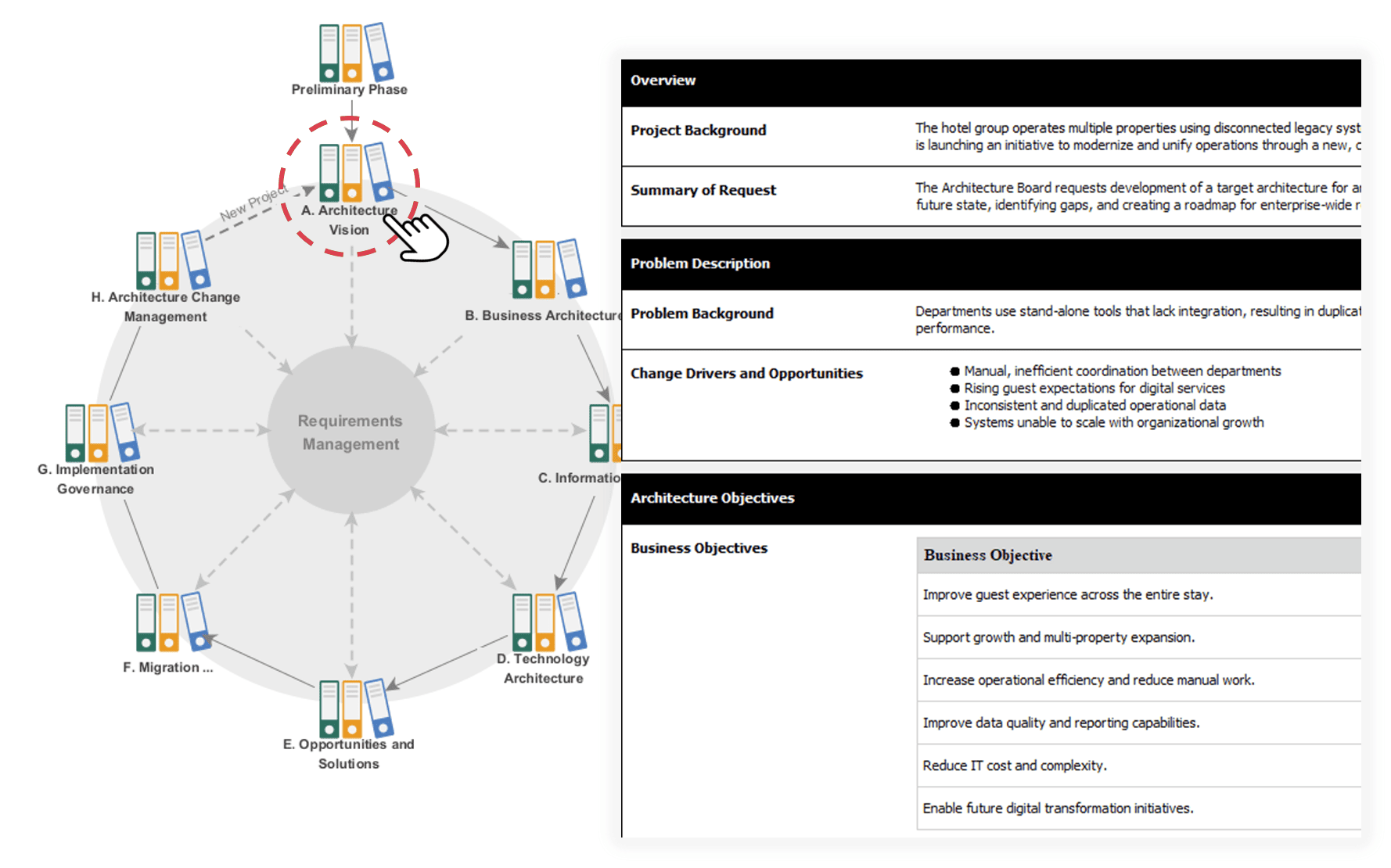
Key Concepts in Modern System Design
Before diving into the specific features of Visual Paradigm, it is essential to define the foundational frameworks that the platform supports. Understanding these concepts helps clarify why a unified modeling platform is critical for complex organizations.
- Visual Modeling: The use of graphical representations (diagrams) to document, analyze, and communicate the structure and behavior of complex systems. This is often preferable to text-heavy documentation as it reveals relationships and hierarchies more clearly.
- UML (Unified Modeling Language): The industry-standard modeling language for software engineering, providing a standard way to visualize the design of a system. Common types include Class Diagrams, Sequence Diagrams, and Use Case Diagrams.
- Enterprise Architecture (EA): A conceptual blueprint that defines the structure and operation of an organization. Frameworks like TOGAF (The Open Group Architecture Framework) are used to align IT infrastructure with business goals.
- Agile User Story Mapping: A visualization technique used by product teams to map out the user’s journey and prioritize development tasks (backlogs) based on value delivery.
The Core Platform: A Foundation for Professionals
Visual Paradigm has built its reputation on robust, industry-standard tools designed for professional use. Unlike simple vector drawing tools, the platform understands the semantics of the models being created. It caters to a wide spectrum of roles, including Business Analysts, Project Managers, and Software Developers.
The suite covers six major pillars:
- Visual Modeling: Creating standard UML and SysML diagrams to visualize system structures.
- Enterprise Architecture: Supporting TOGAF ADM guides to steer organizational transformation.
- Agile Workflow: Managing backlogs and user stories visually.
- Database & Code Engineering: Bridging the gap between visual models and executable code.
- Business Analysis: Utilizing tools for process analysis and strategy mapping.
- Project Management: overseeing the lifecycle of development projects.
VP AI: How Visual Paradigm AI Automates and Enhances Modeling
The most significant update to the platform is the introduction of the “AI-Enabled Core.” This section details how Visual Paradigm AI automates and enhances specific topics within the modeling lifecycle, moving beyond simple drawing aids to intelligent content generation.

1. Generative Modeling and Text-to-Diagram
Traditionally, creating a class diagram or flowchart required manually dragging shapes and connecting lines. With Generative Modeling, users can now describe a system in natural language—for example, “A library management system with users, books, and loan records”—and the AI engine instantly generates the corresponding diagram. This capability significantly reduces the “blank canvas” paralysis and accelerates the initial drafting phase.

2. Intelligent Chatbot for Refinement
Modeling is rarely a one-shot process; it requires iteration. The Intelligent Chatbot allows users to request changes conversationally. Instead of manually re-routing connectors or adding fields, a user can command the AI to “add a ‘late fee’ attribute to the Loan class” or “expand the user story map for mobile login.” The AI understands the context of the existing model and applies the changes accurately.
3. Automated Business Intelligence and Strategy
Visual Paradigm has introduced an AI App Library containing over 50 purpose-built applications. For business analysts, this means the ability to generate strategic frameworks instantly. Tools like AI Strategy Analysis can auto-generate SWOT (Strengths, Weaknesses, Opportunities, Threats), PESTLE, and Business Model Canvases based on a brief description of the company or product. Furthermore, the AI-Powered BI Analysis feature provides automated insights into business intelligence data, streamlining the decision-making process.
4. Bridging Agile and Development
The platform enhances the Agile workflow through tools like Agilien Jira Backlog. This feature uses AI to sync and refine backlogs, ensuring that user stories are clear, testable, and aligned with technical requirements. Additionally, the Markdown Presentation feature utilizes AI to convert text documentation instantly into slide decks, solving the common pain point of presenting technical updates to stakeholders.
Team Collaboration and Enterprise Readiness
Modern software development is rarely a solitary endeavor. Visual Paradigm addresses the need for synchronous work through its cloud infrastructure.
Collaborative Features include:
- Concurrent Editing: Teams can co-create complex diagrams in real-time within a unified workspace, eliminating the “silo” effect where different departments work on outdated versions of a model.
- Versioning and History: The platform tracks every change, allowing teams to revert to previous states. This is critical for regulatory compliance and error recovery in large-scale enterprise architectures.
- Contextual Communication: Users can discuss and annotate specific diagram elements directly. This ensures that feedback is precise and attached to the relevant visual component, reducing miscommunication.
The platform’s reliability is evidenced by its adoption by major entities such as NASA, Apple, Intel, and Toyota, spanning industries from aerospace to consumer electronics. Furthermore, the Academic Partners Program highlights a commitment to equipping future software engineers at institutions like Oxford and Berkeley.
Conclusion
Visual Paradigm has successfully evolved from a traditional modeling tool into a comprehensive, AI-powered platform. By integrating Generative AI for text-to-diagram capabilities and intelligent refinement, it significantly lowers the barrier to entry for complex modeling tasks like UML and TOGAF.
For organizations looking to bridge the gap between business strategy, agile management, and technical implementation, Visual Paradigm offers a “One Platform” solution. Whether automating business analysis insights or generating code from visual models, the tool provides a cohesive environment that enhances productivity and accuracy.
-
AI-Assisted UML Class Diagram Generator – Visual Paradigm: An interactive, step-by-step tool to help users create UML class diagrams with AI-powered suggestions, validation, PlantUML export, and design analysis.
-
From Problem Description to Class Diagram: AI-Powered Textual Analysis: Explore how Visual Paradigm uses AI to convert natural language problem descriptions into accurate class diagrams for software modeling.
-
How AI Enhances Class Diagram Creation in Visual Paradigm: This blog explores how Visual Paradigm leverages AI to automate and improve the creation of class diagrams, making software design faster and more accurate.
-
Streamlining Class Diagrams with Visual Paradigm’s AI: This article explains how Visual Paradigm’s AI-powered tools reduce the complexity and time required to create accurate class diagrams for software projects.
-
AI-Powered UML Class Diagram Generator by Visual Paradigm: An advanced AI-assisted tool that automatically generates UML class diagrams from natural language descriptions, streamlining software design and modeling.
-
Real-Life Case Study: Generating UML Class Diagrams with Visual Paradigm AI: A detailed case study showcasing how Visual Paradigm’s AI assistant successfully transformed textual requirements into accurate UML class diagrams in a real-world project.
-
Comprehensive Tutorial: Generate UML Class Diagrams with Visual Paradigm’s AI Assistant: Step-by-step guide demonstrating how to use Visual Paradigm Online’s AI assistant to create precise UML class diagrams from plain text input.
-
Creating a UML Class Diagram for a Library System Using AI and Visual Paradigm: A practical blog post that walks through building a UML class diagram for a library management system using Visual Paradigm’s AI assistant.
-
Interactive AI Chat for UML Class Diagram Generation: A conversational AI interface that allows users to generate UML class diagrams through natural language interaction directly in the browser.
-
AI-Assisted UML Class Diagram Generator – Visual Paradigm AI Toolbox: A dedicated AI-powered application that enables developers to generate UML class diagrams from text descriptions with minimal manual input.
-
Building a Hotel Reservation System Class Diagram with Visual Paradigm AI: A hands-on tutorial guiding users through the creation of a comprehensive UML class diagram for a hotel reservation system using Visual Paradigm’s AI capabilities