Przyjęcie ewolucji: Co nowego i innego w TOGAF 10 w porównaniu do TOGAF 9
TOGAF® (Architektura Ramowa The Open Group) od dawna jest fundamentem architektury przedsiębiorstwa, kierując organizacjami przez projektowanie, planowanie, wdrażanie i zarządzanie architekturą IT. Wprowadzenie TOGAF 10 spowodowało, że The Open Group dopracowało i nowoczesnie przebudowało ten framework — poprawiając użyteczność, modułowość oraz zgodność z transformacją cyfrową i agilną. Niniejszy artykuł stanowi kompleksowy przewodnik po kluczowych zmianach […]
Continue ReadingOpanowanie diagramów komponentów UML generowanych przez AI: Kompletny przewodnik
Wprowadzenie do nowoczesnego modelowania oprogramowania W złożonym świecie architektury oprogramowania kluczowe jest jasność. Gdy systemy rosną od prostych aplikacji do rozproszonych mikroserwisów i skomplikowanych rozwiązań korporacyjnych, zdolność do wizualizacji relacji strukturalnych między różnymi modułami oprogramowania staje się krytyczną. Tutaj pojawia się Diagram komponentów języka Unified Modeling Language (UML) jako istotny element. Jednak ręczne rysowanie tych […]
Continue ReadingMastering AI-Generated UML Component Diagrams: A Comprehensive Guide
Introduction to Modern Software Modeling In the complex world of software architecture, clarity is paramount. As systems grow from simple applications into distributed microservices and intricate enterprise solutions, the ability to visualize the structural relationships between various software modules becomes critical. This is where the Unified Modeling Language (UML) Component Diagram steps in as an […]
Continue ReadingEmbracing Evolution: What’s New and Different in TOGAF 10 Compared to TOGAF 9
TOGAF® (The Open Group Architecture Framework) has long been a cornerstone for enterprise architecture, guiding organizations through the design, planning, implementation, and governance of IT architectures. With the introduction of TOGAF 10, The Open Group has refined and modernized the framework—enhancing usability, modularity, and alignment with digital and agile transformation. This article offers a comprehensive […]
Continue ReadingComprehensive Guide to TOGAF ADM: The Core of The Open Group Architecture Framework
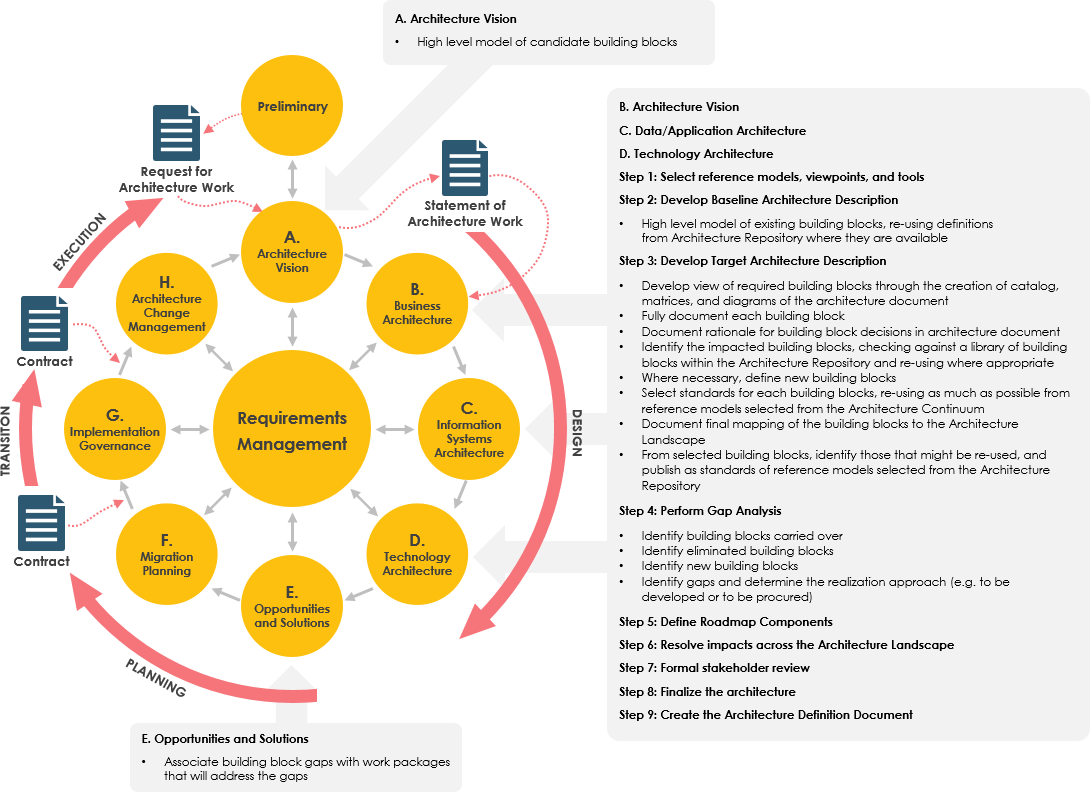
Introduction to TOGAF ADM The Open Group Architecture Framework (TOGAF) is a widely recognized enterprise architecture framework that provides a comprehensive approach to designing, planning, implementing, and governing an enterprise’s IT architecture. At the heart of TOGAF lies the Architecture Development Method (ADM), a cyclical process that guides the development of an enterprise architecture. ADM […]
Continue ReadingComprehensive Guide for TOGAF® Standard, 10th Edition
1. What Is TOGAF®? TOGAF® (The Open Group Architecture Framework) is a globally recognized enterprise architecture methodology and framework. It provides organizations with a systematic approach for designing, planning, implementing, and governing an enterprise information architecture. Its core is the Architecture Development Method (ADM), a step-by-step approach that helps architects ensure that all aspects of […]
Continue ReadingWhat are Architecture Principles in TOGAF ADM?
Introduction to Architecture Principles in TOGAF ADM In the dynamic landscape of enterprise architecture, the TOGAF Architecture Development Method (ADM) stands as a guiding framework, offering a structured approach to developing and managing an organization’s architecture. Central to this methodology are Architecture Principles, which serve as the cornerstone for aligning IT strategies with business objectives. […]
Continue ReadingComprehensive Guide to Architecture Principles in TOGAF ADM
Introduction Architecture Principles are fundamental to the TOGAF Architecture Development Method (ADM). They provide a foundational framework for guiding the use and deployment of IT resources and assets across an enterprise. This guide will explore the key concepts, characteristics, and examples of Architecture Principles as outlined in the TOGAF Standard, Version 9.2. Key Concepts of […]
Continue ReadingComprehensive Guide to Gap Analysis in TOGAF Using Visual Paradigm
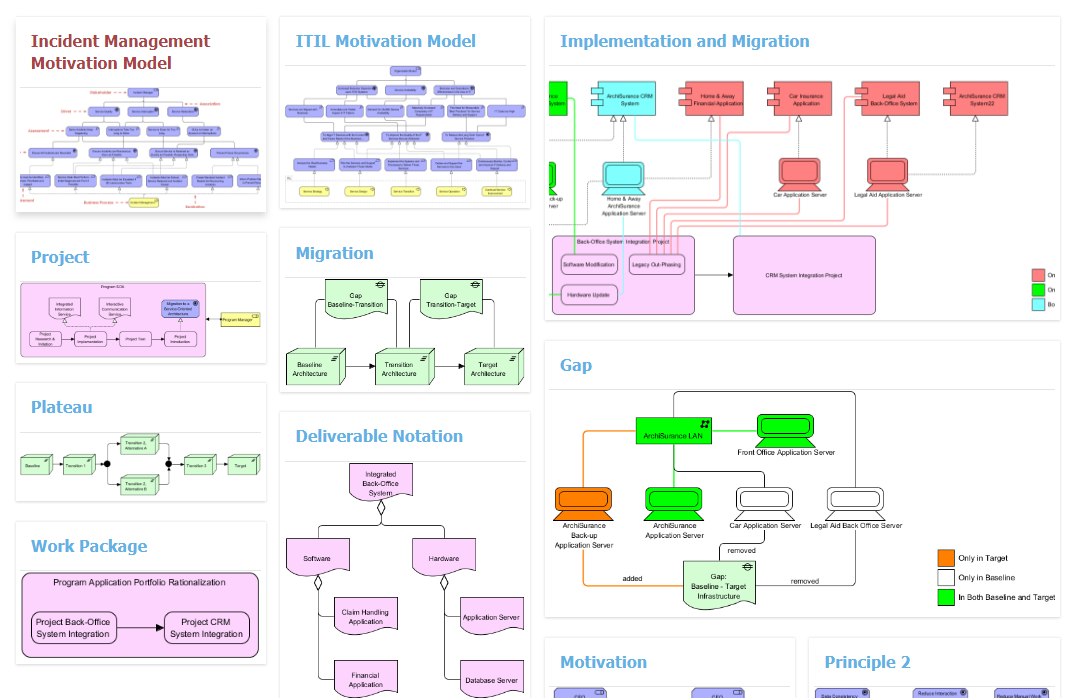
Introduction Gap analysis is a crucial technique within the TOGAF (The Open Group Architecture Framework) Architecture Development Method (ADM). It helps organizations identify discrepancies between their current (baseline) and desired (target) architectures. Visual Paradigm provides robust support for conducting gap analysis, facilitating effective enterprise architecture development. This guide will walk you through the process of […]
Continue ReadingComprehensive Guide to Using Visual Paradigm for TOGAF ADM with ArchiMate Integration
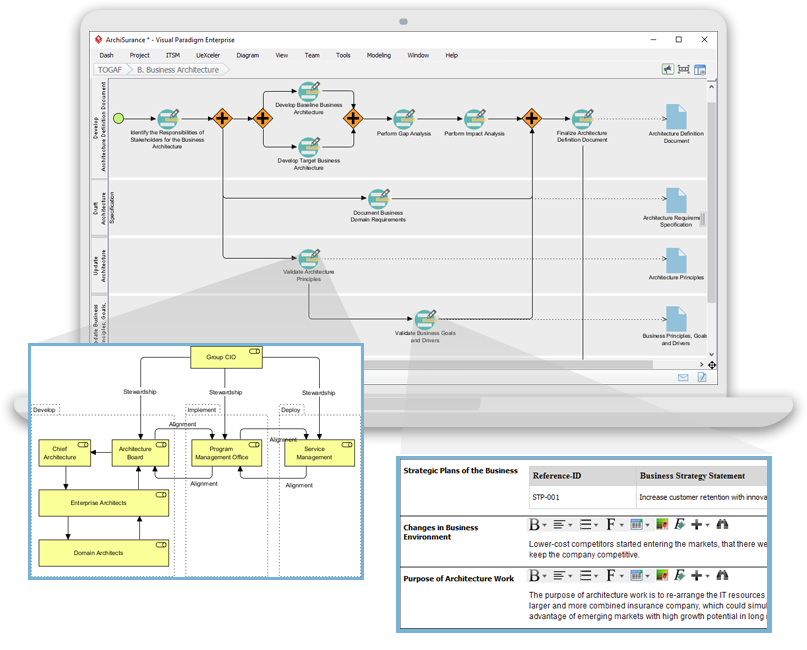
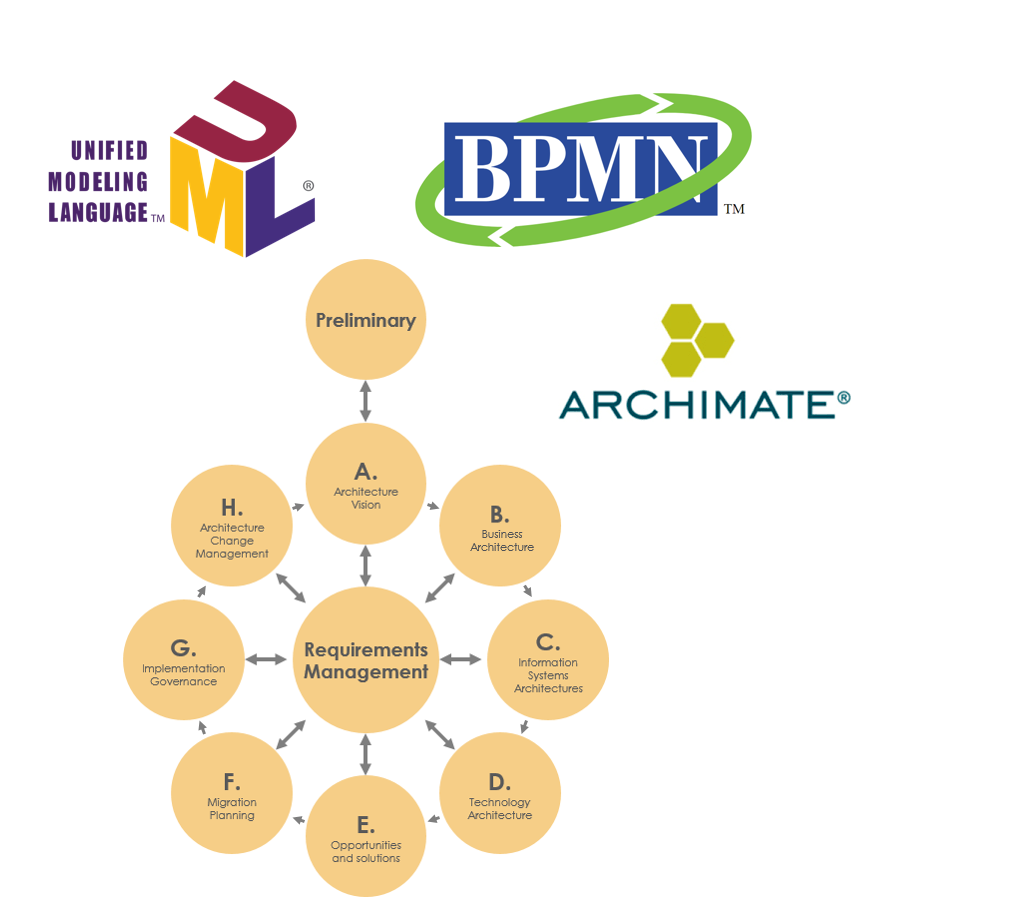
Visual Paradigm is a powerful tool that supports the integration of TOGAF ADM (The Open Group Architecture Framework Architecture Development Method) with ArchiMate, providing a comprehensive approach to enterprise architecture development. This guide will walk you through how Visual Paradigm facilitates this integration, providing examples and resources to help you get started. Key Aspects of […]
Continue Reading